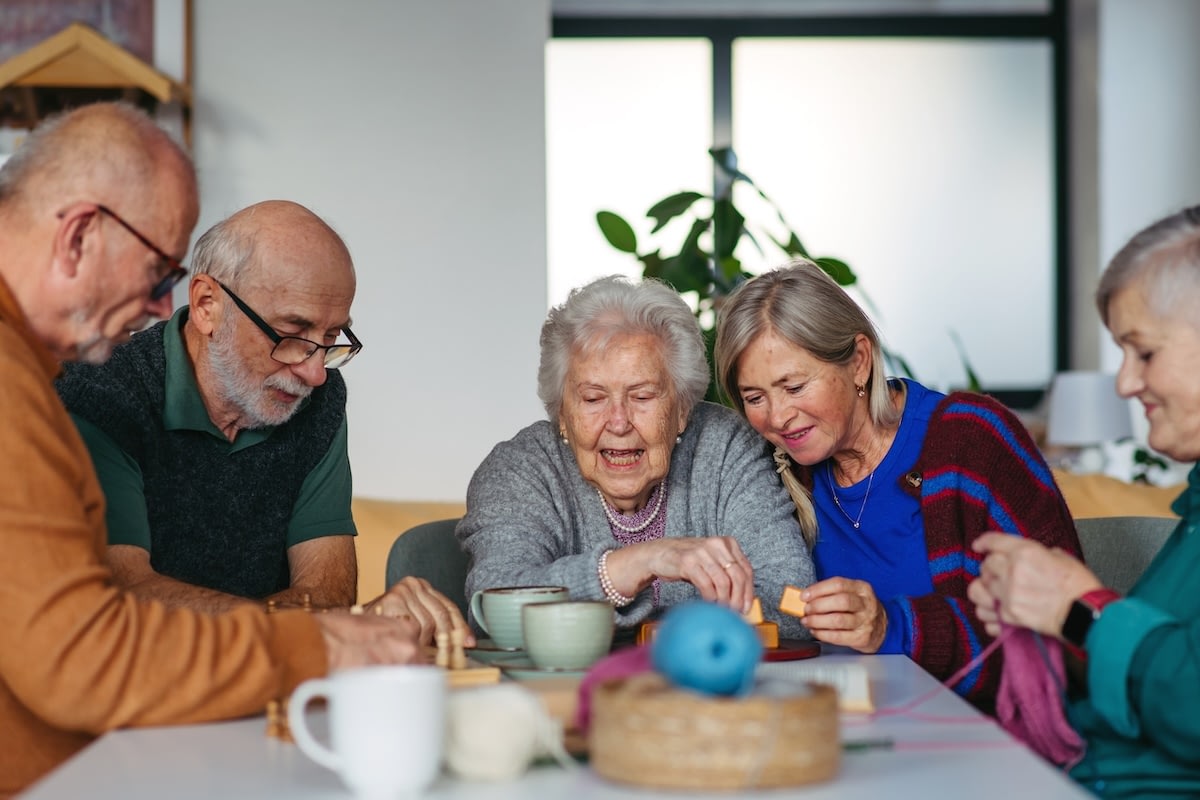
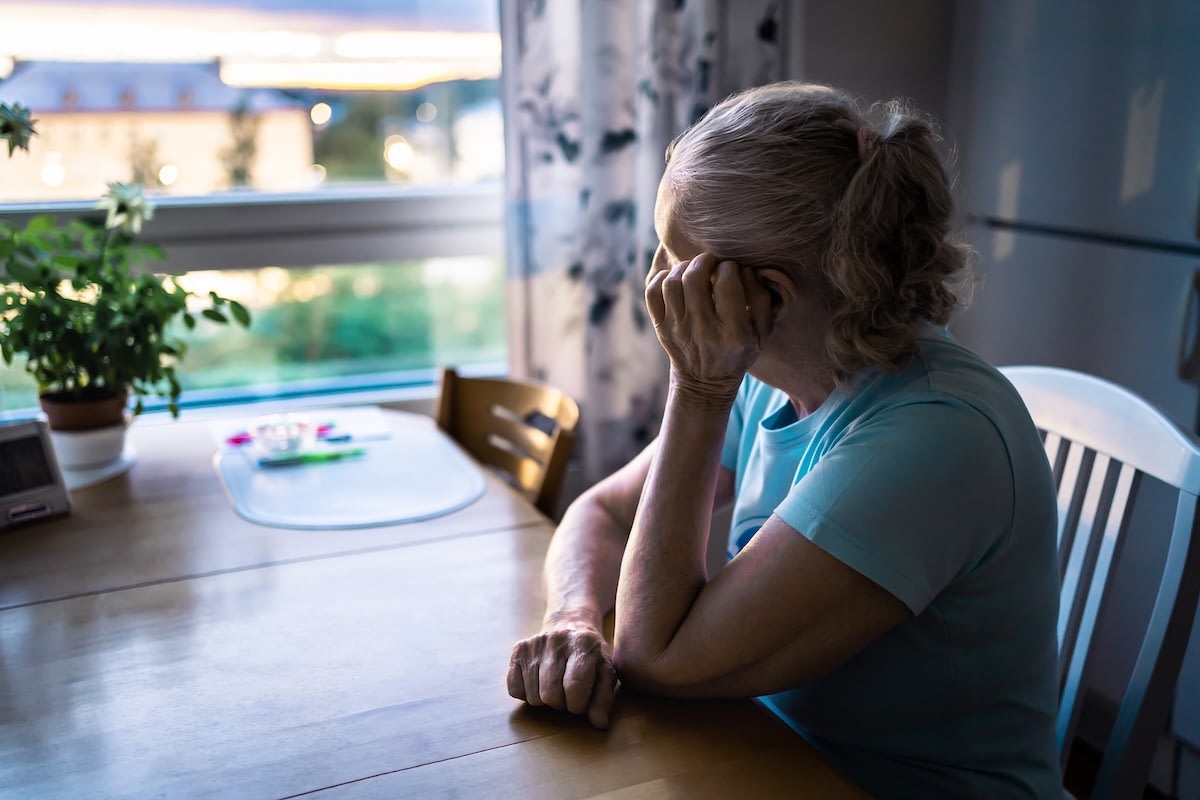
A room can be full and still feel lonely. You can share meals with other people, pass familiar faces in the hallway and attend community events without feeling that anyone really knows you. Simply having people nearby does not automatically create connection.
This distinction matters when talking about loneliness in older adults. The answer is not always more social activity or a busier calendar. Meaningful connection develops when relationships have enough depth to make someone feel understood. In senior living in Chicago, creating opportunities for those relationships can be just as important as bringing people together in the first place.
At Franciscan Ministries, community life is shaped by the belief that every person has value. That belief influences how relationships grow and how residents experience life alongside one another.
More People Doesn’t Always Mean Less Loneliness
Loneliness is easy to misunderstand because it can look different from the outside. Someone who spends a lot of time alone may feel perfectly content, while another person with an active social life may still feel disconnected.
The difference often comes down to the quality of someone’s relationships.
Being invited to an activity can create an opportunity to meet people, but the invitation itself does not create a friendship. Sitting beside someone at dinner puts two people in the same space, but connection depends on what happens after they sit down.
This is why addressing loneliness in older adults requires more than encouraging people to “get involved.” Real connection takes time. It also depends on having opportunities to move beyond introductions and discover common ground with others.
Connection Happens When People Take an Interest
Think about the relationships that have mattered most throughout your life. Chances are, they were not meaningful simply because you spent a certain number of hours together. They became important because someone paid attention.
That same dynamic matters in senior living.
A conversation becomes more personal when someone remembers what you talked about the last time you saw each other. A familiar face begins to feel like a friend when you find yourself looking forward to seeing them again. Gradually, interactions stop feeling polite and start feeling genuine.
These moments cannot be manufactured through a schedule. A community can, however, create an atmosphere where they have room to happen.
There Is No Single Right Way to be Social
Connection does not look the same for everyone. Someone who has always preferred a close circle of friends may not suddenly enjoy large gatherings after moving to senior living in Chicago. A person who loves meeting new people may want far more interaction throughout the day.
Neither approach is more socially successful than the other.
This is an important distinction because older adults are sometimes encouraged to participate simply for the sake of participation. While an activity calendar can open doors, meaningful engagement should still leave room for personal choice.
A quiet conversation with a neighbor may mean more to someone than attending a large event. Another resident may feel most connected when working alongside others on a community project. What matters is finding the kind of interaction that feels genuine instead of measuring connection by how busy someone appears.
Familiarity Can Change the Feel of Everyday Life
Relationships often deepen in ordinary moments rather than during planned social events. Seeing the same people throughout the week creates familiarity, which can gradually make it easier to start a conversation or join others at a table.
Over time, that familiarity changes the experience of community life. You begin to know who enjoys talking about baseball or who always has a good book recommendation. People stop being strangers who happen to live nearby.
That shift may seem subtle, but it matters. A community begins to feel different when you expect to see people you know as you move through your day.
At Franciscan Ministries, those everyday relationships are an important part of community life. Organized programs have their place, but so do the conversations that happen before dinner or the neighbor who notices you haven’t stopped by lately.
Faith Can Offer Another Point of Connection
Spiritual life can also bring people together in a way that feels deeply personal. Faith often carries years of memories and questions that become part of how someone understands their life.
Sharing that part of yourself with others can create common ground that goes beyond casual conversation. It can also be reassuring to live among people who recognize why spiritual life remains important as you age.
Franciscan Ministries is rooted in a tradition that sees each person as worthy of dignity and compassionate care. Within that environment, faith can become another way residents find connection with the people around them.
Making Room for Relationships to Develop Naturally
Not every interaction needs to become a friendship. One of the strengths of community living is simply having more opportunities for relationships to develop without forcing them.
You might begin by sitting beside the same person at lunch a few times. A conversation reveals a shared interest, and eventually you start looking for each other when you enter the dining room. What began as proximity becomes something more personal.
This is where senior living can make a meaningful difference. At home, maintaining social relationships may require transportation or advance planning. Community living places opportunities for interaction within the normal flow of the day, giving relationships more chances to develop naturally.
That can be particularly meaningful when loneliness in older adults has developed gradually as someone’s social world has become smaller.
Connection Means Knowing Your Presence Matters
One of the clearest differences between being surrounded by people and feeling connected is what happens when you are absent.
Would someone notice you weren’t at your usual table? Would a neighbor wonder how your appointment went? Would someone have a story they had been waiting to tell you?
Those are small signs that a relationship has moved beyond simply knowing someone’s name. They show that your presence has become part of another person’s day.
That kind of connection cannot be measured by the number of events on a calendar. It grows when people begin to matter to one another.
Key Takeaways
- Being around other people does not automatically prevent loneliness.
- Meaningful relationships develop when people have opportunities to genuinely know one another.
- Social connection should reflect individual preferences instead of a predetermined idea of how involved someone should be.
- Everyday interactions often give friendships the time and space they need to grow.
- Addressing loneliness in older adults means looking beyond participation and considering the quality of someone’s relationships.
Find a Community Where Relationships Have Room to Grow
At Franciscan Ministries, we understand that community means more than living alongside other people. It means having opportunities to form relationships that become part of everyday life.
Our faith-based senior living communities create space for those connections to grow while respecting the different ways people choose to spend their time. Residents can become involved at their own pace and find the relationships that make community life feel personal.
If you are exploring senior living for yourself or a family member, contact Franciscan Ministries today. Come experience a community where being together can become something much more meaningful.